RF Site Survey
Coverage objectives, azimuth constraints, PIM hunting, and antenna clearances are documented before tower crews are scheduled.
American Tower supports wireless operators with practical service paths from RF site survey to NOC escalation. The work is intentionally concrete: check line-of-sight, confirm antenna loading, document grounding, estimate fiber reach, and coordinate access windows so a 5G NR or DAS deployment does not stall between engineering approval and field reality.
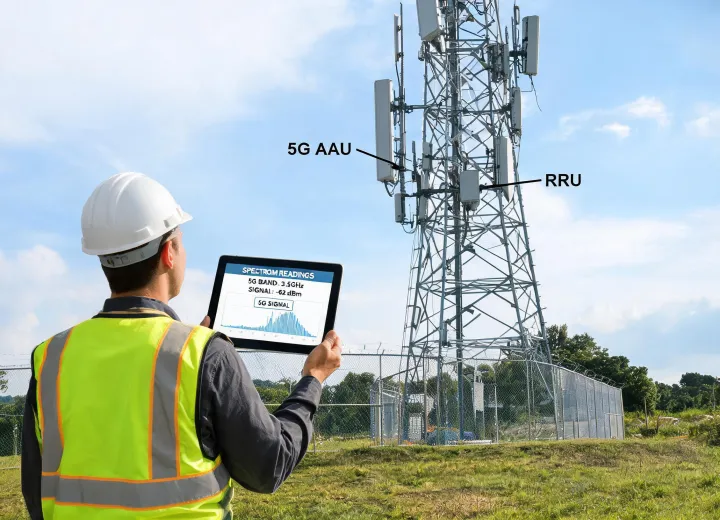
Each lane is designed for infrastructure owners and carrier engineering teams that need measured answers. We do not treat a tower as a generic asset. We look at RF loading, PIM risk, backhaul reach, power density, site access, weather exposure, and NOC response requirements together, because a missed detail in one area can reduce throughput or extend mean time to repair.
Coverage objectives, azimuth constraints, PIM hunting, and antenna clearances are documented before tower crews are scheduled.
Route readiness, splice closure access, optical budget, and ODF rack labeling are aligned for clean handoff to transport teams.
Indoor and outdoor densification plans balance power, mounting, low-loss cabling, and carrier access requirements.
NOC processes define alarm routing, field dispatch, carrier notification, and restoration documentation for shared sites.
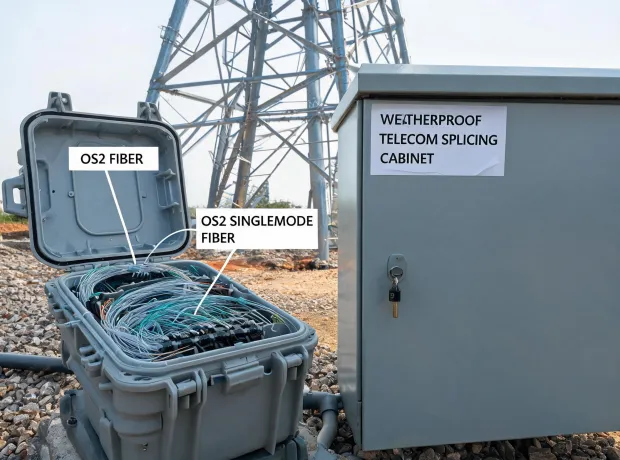
A carrier preparing a dense Sub-6 5G launch needed tower access, field safety review, fiber handoff, and NOC escalation coordinated across multiple landlords. American Tower helped the project team create a single readiness checklist: antenna mount clearance, low-PIM jumper routing, grounding, battery runtime, fiber splice verification, and remote alarm test. The result was a predictable site-per-day throughput without reopening completed locations for avoidable documentation gaps.
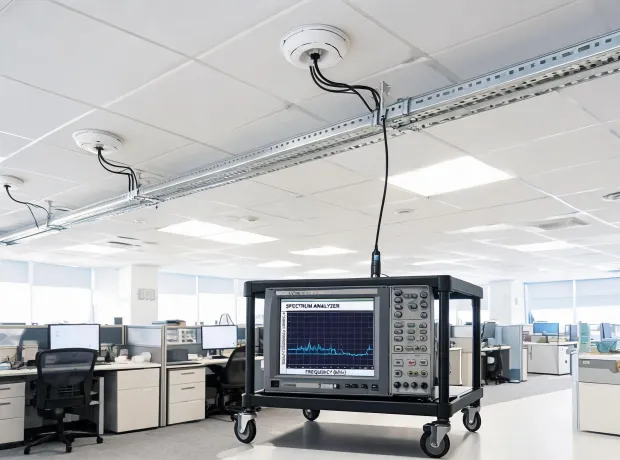
For a high-traffic venue, the service team aligned the RF design with access windows, cable pathways, and NOC alarm naming. The deployment plan included band-specific walk testing, connector labeling, and a restoration contact tree. When traffic peaked during an event, the operations team could isolate the affected sector quickly because spectrum notes, cable IDs, and escalation responsibilities were already recorded in a shared field package.
Share target throughput, region, frequency band, site count, and current core protocol. American Tower will help frame the RF survey, backhaul review, and NOC path before you commit deployment resources.